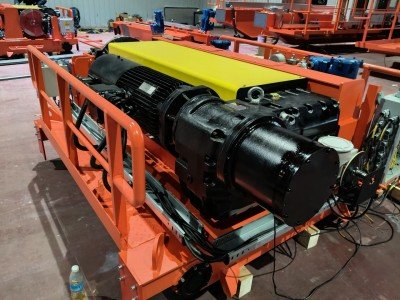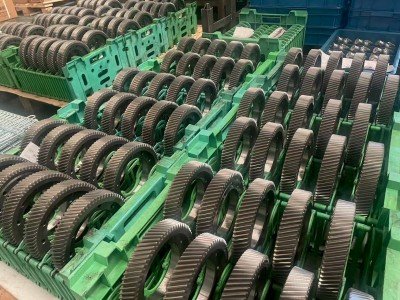
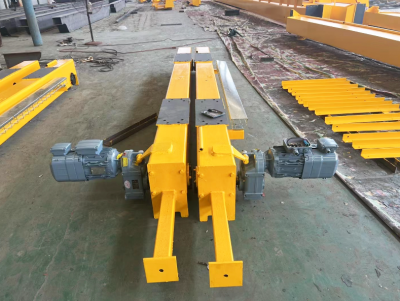
Reducers are commonly used transmission devices in industrial production, designed to reduce the output speed of driving devices and increase output torque. To ensure the normal operation of the reducer and extend its service life, regular maintenance and timely troubleshooting are required. Below are detailed methods for maintaining and troubleshooting reducers.
Maintenance:
1. Regular inspection of lubricating oil: Reducers require lubricating oil during operation to reduce friction and wear and maintain good working conditions. Therefore, regularly check the oil level and cleanliness of the lubricating oil, and replace it in a timely manner to ensure normal lubrication of the reducer.
2. Clean the surface of the reducer: Regularly clean the surface of the reducer to prevent debris and dust accumulation that can affect heat dissipation and normal operation.
3. Inspect the transmission components: Regularly check the transmission components of the reducer, including external gears, bearings, etc., to ensure the normal operation of the transmission system.
4. Regularly check safety devices: Regularly check the safety devices of the reducer, such as limit switches and overload protection devices, to ensure the safe operation of the equipment.
5. Check fixing bolts: Regularly check the fixing bolts of the reducer to ensure they are securely tightened and prevent loosening that could lead to failures.
6. Pay attention to the working environment: The reducer should be placed in a dry and ventilated area, avoiding dampness and corrosion to maintain a good working environment.
Troubleshooting:
1. Abnormal operation of the reducer: If abnormal noises or vibrations occur during the operation of the reducer, it should be shut down and checked promptly, which could be a problem caused by bearing wear or poor lubrication.
2. Poor lubrication: If the reducer overheats significantly or experiences heavy friction during operation, it may be due to poor lubrication; timely replacement of the lubricating oil or refilling new lubricant is necessary.
3. Transmission system failure: If the transmission system of the reducer fails, it may be due to damaged external gears or worn bearings, requiring the replacement of damaged components in a timely manner.
4. Malfunctioning safety devices: If the safety devices of the reducer malfunction, such as overload protection failing to work, it could lead to equipment damage or personal injury, requiring timely repair or replacement of safety devices.
5. Loose fixing bolts: If any fixing bolts of the reducer are found to be loose, they should be tightened promptly to avoid bolt detachment that could damage the equipment.
Through regular maintenance and timely troubleshooting, the normal operation of the reducer can be ensured, extending its service life, improving work efficiency, and ensuring production safety. During maintenance, attention should be paid to operating procedures and safety precautions to ensure the smooth execution of maintenance tasks.